Scent, Not Stuff: The Quiet Art of Making a Home Smell Like You
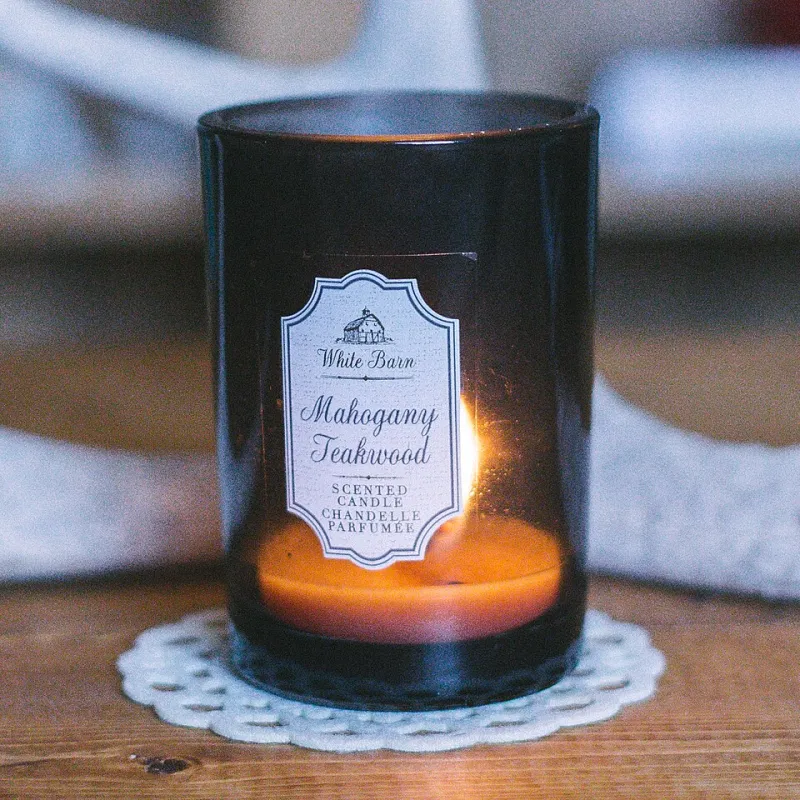
Photo: Priscilla Du Preez artographybyp, CC0, via Wikimedia Commons
Most of us spend November thinking about layers we can see. The coat that keeps the wind out, the lamp that makes the front room glow, the throw that says stay a while. But the most persuasive layer in a home is the one you cannot photograph. Scent arrives before the hallway light does. It meets you at the door, lingers on a coat sleeve, and tells you, wordlessly, whether a place feels cared for. That is why the way a home smells may be its most memorable design feature — and why it deserves more thought than a last-minute candle from the supermarket.
The scent before the door opens
A signature home scent is not a single candle you burn until the jar goes dark. It is a mood you set and return to: a quiet through-line that makes the place feel like yours. Think of it as invisible furniture. It does not need to be expensive, but it does need to be intentional. The aim is not to mask the smell of yesterday's cooking or a damp November coat. The aim is to add a layer of welcome that feels personal, not perfumed.
Build a small scent wardrobe, not a shelf of candles
Three pieces are plenty. Start with a base: a reed diffuser for the hall, landing or bathroom, something that works quietly in the background. Add a candle for the room where you actually sit — the one that gets lit when the day is done. Keep a room spray for linen, curtains and the odd guest-room reset. Choose a family of scents rather than a jumble of flavours. If your wardrobe is tailored and quiet, a cedar-and-vetiver diffuser will feel more like you than a candyfloss candle. If your home is full of colour and clutter, a green, citrusy scent can cut through it beautifully. The question is not 'what is on trend?' but 'what do I want people to feel when they walk in?' A signature scent can shift with the seasons, too: citrus in spring, fig in summer, smoke and resin when the nights draw in. The through-line is not the note; it is the mood.
Where to find the good stuff in Britain
You do not need a perfume counter the size of a department store, though Liberty's beauty hall and the fragrance floors at Selfridges and John Lewis are good places to start if you want to smell before you buy. The independents are often more interesting. Earl of East in London does evocative, city-friendly candles; True Grace in Wiltshire makes proper, well-behaved home fragrance; St Eval in Cornwall is proof that a modest price tag can still buy taste. Skandinavisk, Neom, Aesop, Diptyque, Jo Malone, Laboratory Perfumes and Ffern all have their devotees, and each has a different idea of what a home should smell like. Smell the cold throw first, ask for a sample if you can, and be suspicious of anything that announces itself too loudly on paper. A £12 candle can be more eloquent than a £70 status jar.
Placement, patience and the reset
Home fragrance is a small piece of domestic choreography. Put diffusers where air moves but not next to a radiator, and flip the reeds once a week so the scent does not go flat. Burn candles for two to three hours at a time, trim the wick, and never leave one unattended. Room sprays should be used from a distance, and tested on a hidden corner of fabric first. And once in a while, do the reset: open the windows, wash the cushion covers, clear the air. You cannot layer a good scent over a stale room. Fresh air is the most underrated home fragrance of all.
The memory test
Leave for an hour and come back. If the scent meets you at the doorstep like a greeting, it is probably too loud. The best home scent is a whisper that makes people lean in. It should smell like clean linen, woodsmoke, citrus peel, or something you cannot quite name — which is usually the point. A home does not need to smell like a hotel lobby or a candle shop. It needs to smell like someone lives there, and that someone has taste. The invisible finish is often the one guests remember longest.