The Fifteen-Minute Pause: Why the Walk Home Shouldn’t Be the Fastest Part of Your Day
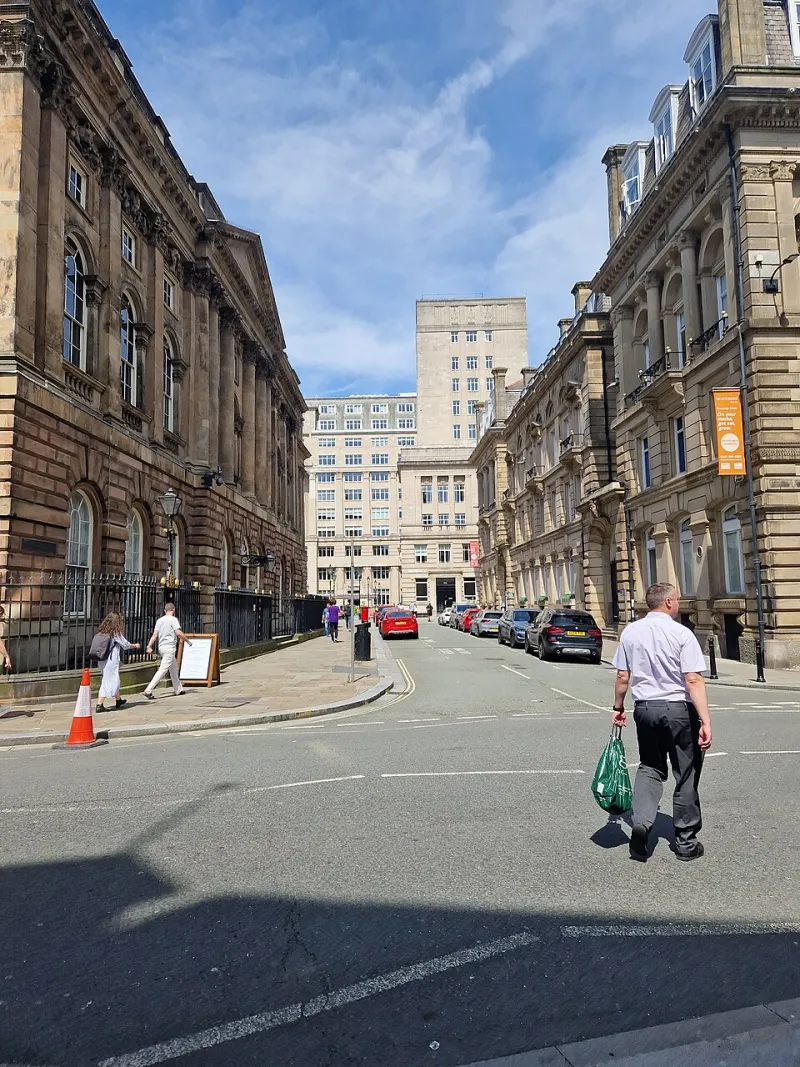
Photo: Frombowen, CC BY-SA 4.0, via Wikimedia Commons
Somewhere between the last email and the front door, most of us lose the day. Not dramatically. We simply take the quickest route home, the one we could walk in our sleep, and arrive with the office still attached. The detour I am proposing is not a grand adventure. It is a small, repeatable refusal: once a week, give the walk home fifteen extra minutes. Take one street you have never taken. Get off the bus a stop early. Park around the corner. Walk past your own front door and come back to it. The point is not distance. It is the pause.
The quickest route is rarely the richest
Efficiency has a way of flattening an evening. The same corner, the same crossing, the same shop window you stopped seeing years ago. You arrive home technically earlier, but you bring the whole day with you: the meeting that ran over, the email you should have worded differently, the low hum of unfinished things. The fastest route is not neutral. It is a habit, and habits are very good at keeping us exactly where we are.
A deliberate detour interrupts that. It is not about becoming a flâneur or turning a commute into a lifestyle project. It is about putting a seam between work and home. Fifteen minutes is enough to change gear. It is also short enough that you will actually do it.
Fifteen minutes, no destination
The rules are deliberately loose. Choose one evening a week. Leave the phone in your pocket. Do not run an errand. Do not turn it into a step count. Pick a street you have never walked down, or follow a lit window, or take the long way around the park. If you are on the bus, get off one stop early. If you drive, park a street away and walk the last bit. The detour does not need to be scenic. It needs to be slightly unnecessary.
That unnecessary quality is the whole point. You are not walking to get anywhere. You are walking to arrive. There is a difference, and your body knows it. The shoulders come down. The pace changes. You start to look up rather than ahead.
The theatre of noticing
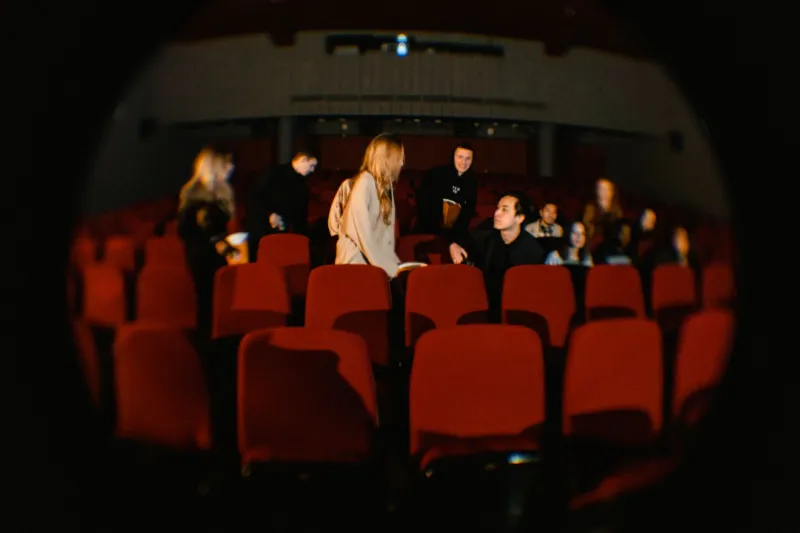
British high streets are quietly theatrical after dark. The florist pulling buckets inside. The chippy queue doing its small, patient shuffle. A bookshop with one lamp left on. The first lights in a pub that looks warmer than it has any right to. In November, when the afternoon folds itself away by half four, these windows become stages. You do not need a ticket. You just need to be walking past at the right speed.
This is the part that cannot be optimised. Noticing is not productive. It does not improve your CV or your inbox. It does something better: it returns you to the size of your own life. The town is still there. The street has a shape. Someone is closing a shutter. A bus sighs at the lights. These are small things, but small things are what an evening is made of.
A coat worth the detour
There is a reason the walk feels different when you are dressed for it. A proper coat, a scarf, shoes that can take a pavement: none of this is vanity. It is a signal to yourself that the next fifteen minutes are an occasion, however minor. The old idea of dressing for the theatre applies here too. You are not going anywhere special. You are going home. That is special enough.
You do not need new clothes for this. You need the good coat you already own, the one you save for best, and the willingness to wear it on a Tuesday. Let the walk be the event. Let the coat do its quiet work.
Arriving as yourself
When you finally turn into your road, something has shifted. The day is still there, but it is no longer in charge. You cross your own threshold with a little more of yourself available. You might have something to say that is not about work. You might have noticed a window, a dog, a ridiculous A-board. It is enough. Home becomes a destination rather than the place where you collapse.
There is a civic pleasure in this too. You become a witness to your own neighbourhood at an hour you usually miss. You see who is still out, what is open, how the light falls. It makes the place feel less like a backdrop and more like a life.
The rules of the unnecessary turn
- Once a week is plenty. This is a ritual, not a regime.
- No phone in hand. Listen to the street instead.
- No errands. The moment it becomes useful, it stops working.
- Choose one new thing: a street, a window, a turning.
- Keep it short. Fifteen minutes is a pause, not a hike.
- Weather is not a veto. A good coat and an umbrella are part of the pleasure.
The fastest route home will always be there. It is reliable, sensible and slightly deadening. The detour is the other option: a small, civil rebellion against arriving too soon. Take it once this week. Turn left instead of right. Walk one street further. Come home the long way, and come home properly.