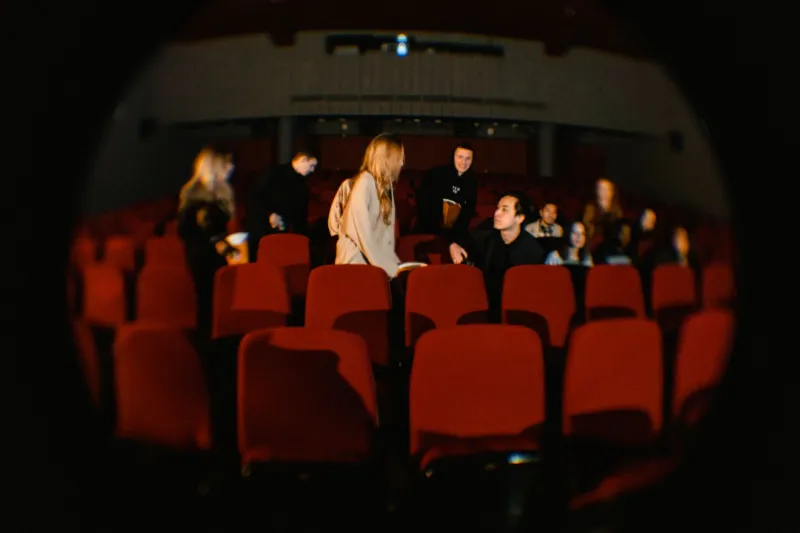
The Card That Buys You Time: The Quiet Luxury of a Museum Membership
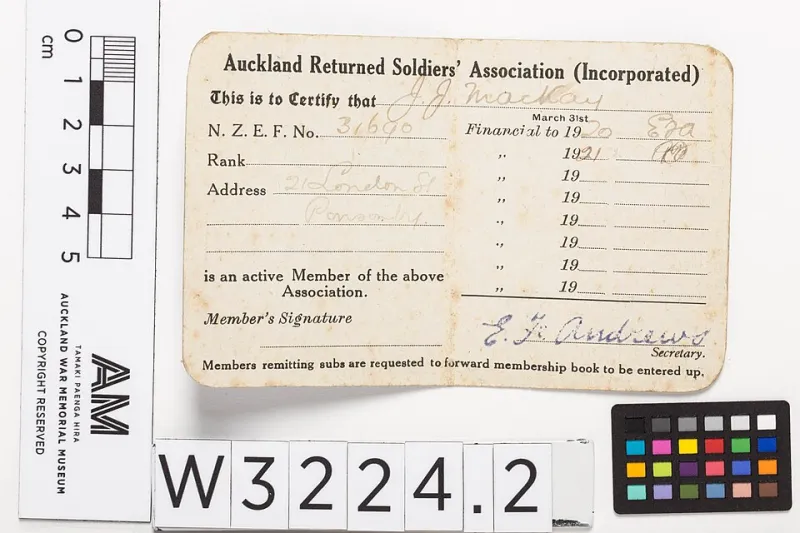
Photo: Auckland RSA, CC BY 4.0, via Wikimedia Commons
There is a particular kind of November afternoon in Britain when the sky gives up at four o'clock and the best-lit room in the city is a gallery. You do not need a grand plan. You need a coat, a card in your wallet and forty minutes. That, more or less, is the promise of a museum membership.
We tend to talk about annual memberships as donations with a tote bag attached. Something worthy. Something you buy because you believe in the institution, or because a friend is doing the membership desk, or because it looks good in a wallet that otherwise contains a loyalty card for a sandwich shop. All of that is fine. But it misses the more interesting point: a museum membership is one of the few luxury purchases that buys you time, repetition and permission.
A subscription to your own attention
The first thing a membership changes is not your access. It is your behaviour. Without one, a museum visit is an event. You check the website, you plan a route, you try to see the blockbuster, the permanent collection and the shop before the café closes. You stay too long and leave with tired feet and a vague sense of having missed something.
With a membership, the visit can be small. You can pop in for one room. You can look at a single painting and go home. You can meet someone for lunch in the café and wander upstairs afterwards because you are already there. You can treat the place less like a destination and more like a good neighbour.
That is the quiet luxury: not the free entry, exactly, but the absence of pressure. The annual fee has already been paid. The visit no longer has to justify itself. You are not getting your money's worth by marching through every gallery; you are getting your money's worth by using the place in the way that suits your life.
The member's hour, without the fanfare
Membership also gives you a calendar of small occasions. Previews. Lectures. Late openings. A private view that is less about seeing art before anyone else and more about seeing it without a crowd of people filming it. These are not necessarily glamorous events. Sometimes they are a room, a glass of something white and a queue for the cloakroom. But they create a rhythm.
The rhythm is the point. A city can feel very large and very indifferent. A membership gives you a handful of dates when you have a reason to leave the house that is not work, not a birthday, not a meal. You put them in the diary. You go. You are home by nine. You feel, in a small way, like a person who has a life rather than a to-do list.
There is also the gift shop. We should talk about the gift shop. A membership discount turns it from a place of mild financial danger into a place of gentle browsing. You can buy a postcard, a notebook, a ridiculous pair of socks. You can buy a present for someone you see next week. This is not a trivial thing. It is the everyday texture of culture: a card, a book, a small object that reminds you of an afternoon.
What to look for when you choose one
The UK is unusually rich in memberships. The big national institutions are the obvious starting point: Tate, the V&A, the British Museum, the Royal Academy, the National Galleries. They offer previews, magazines, guest passes and café or shop discounts. If you live in London, or visit often, one of these can become a genuine habit. If you live outside London, the sums change. A membership you use twice a year is not a luxury; it is a donation with a delayed guilt.
So look at the smaller places too. Local museums and galleries often have friends schemes or annual passes that cost less and give you a more intimate relationship with the building. The person on the desk will know your name. The exhibitions will be smaller. The café may be better than it has any right to be. This is where membership can feel less like a brand and more like belonging.
It is also worth checking what the membership actually includes. Some give free entry to paid exhibitions; some do not. Some offer reciprocal entry to partner museums; many do not. Some include guest passes; some charge for them. Some have excellent late openings; some have a newsletter and not much else. Read the small print before you commit. The right membership should fit the way you already spend your weekends, not the person you imagine you might become.
If you are unsure, start with a National Art Pass or a local friends scheme. Use it for a season. See whether you actually go. If you do, upgrade. If you do not, you have learned something useful about your own habits, which is more than most subscriptions can offer.
The small rituals that make it stick
A membership works best when it has a few rituals attached. Keep the card in the same pocket of your wallet. Put the preview dates in your calendar as soon as they arrive. Choose one rainy Saturday a month and go for an hour, not a day. Take the same route through the same rooms and notice what changes. Have lunch in the café. Buy one postcard. Write down the name of the painting you liked. These are modest things, but they turn a card into a practice.
The other ritual is leaving. One of the great pleasures of a membership is that you can walk out without feeling you have wasted the trip. You saw one room. You had a coffee. You bought a postcard. You are done. The rest of the collection will be there next time. That is not a failure of attention; it is a mature relationship with a place.
The quiet luxury of going back
In the end, a museum membership is not really about art. It is about repetition. It is about allowing a place to become familiar, and allowing yourself to become the kind of person who goes. The card itself is unremarkable: a piece of plastic, a name, a date. But it buys you a different shape of day. A shorter visit. A better lunch. A reason to leave the house in the grey part of the year.
That is a quiet luxury worth paying for. Not because it is expensive, but because it gives you something the city rarely offers for free: permission to take your time.