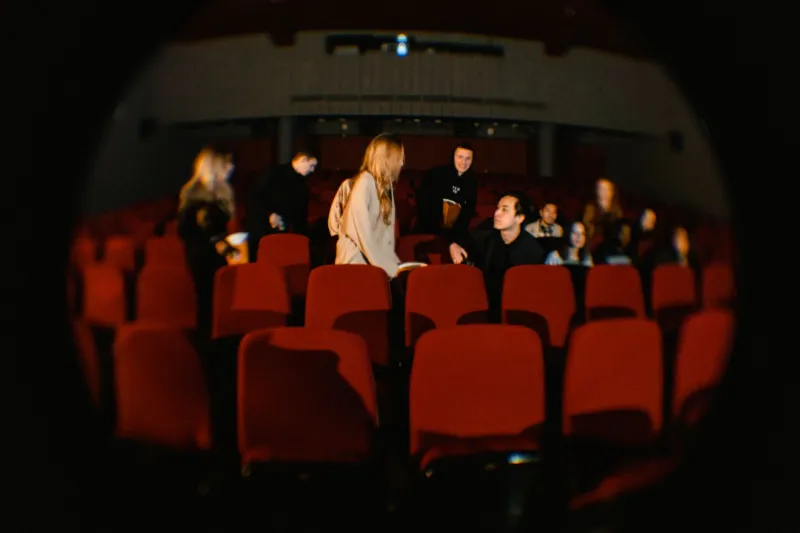
The Generous Exit: Why One Drink Is the New Whole Evening in Britain
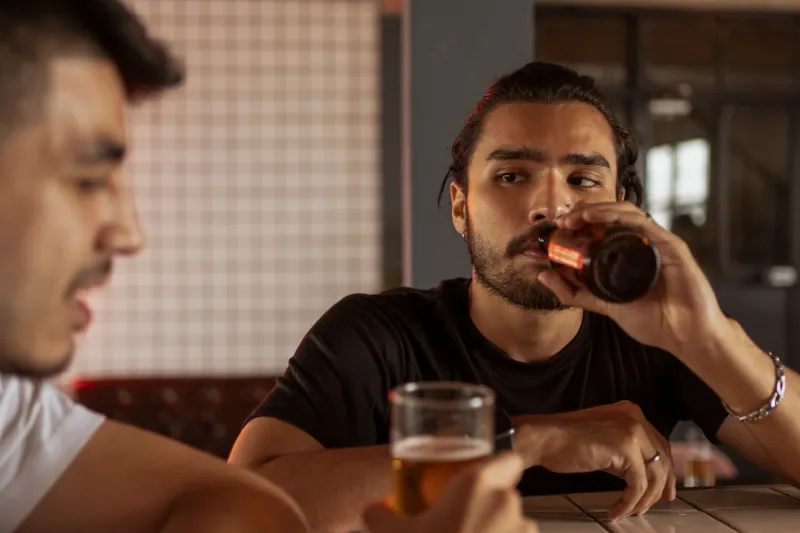
There is a particular sort of relief in a pub at ten past six. The after-work crowd has not yet thickened, the lights are still low, and the first round lands with a soft thud. You have an hour. Not a vague, elastic evening that will end in a taxi and a tomorrow-morning apology, but a proper, bounded plan: one drink, one conversation, then home.
That is the quiet social shift I keep noticing across Britain in 2026. The long catch-up is not dead, but it is no longer the default. More and more, the best plans are the ones with an edge to them — a time, a round, a reason to leave while everyone still likes each other.
The end of the open-ended evening
For years the accepted grammar of friendship was expansion: another drink, another bag of crisps, another hour. The open-ended plan was a kind of optimism. It said: we have all night, and perhaps we have all the time in the world.
But open-ended evenings have a way of becoming heavy. They ask for a clear diary the next day. They ask for stamina. They ask you to pretend that a third glass of wine is a good idea when you have a 7am train and a presentation to deliver. They also ask you to ignore the small truth that most of us are better company for sixty minutes than for four hours.
The short catch-up is not a symptom of decline. It is a correction. It treats friendship as something to be protected from the scrap heap of exhaustion, not tested against it.
A curfew is not a rejection
At first, the one-round rule can sound brisk, almost transactional. One drink? Like a meeting with an agenda? But the opposite is true. A deliberate time limit can be a form of generosity.
It says: I am not squeezing you in between other things and hoping you do not notice. It says: I have made a small, clear space for you, and I will be properly present in it. It also removes the low-grade anxiety of not knowing when the night will end. Nobody has to engineer an excuse. Nobody has to watch the clock and wonder whether leaving now would seem rude. The boundary is agreed before the first sip.
In a culture that often confuses quantity with care, a bounded plan is a quietly radical thing. It suggests that a friendship can be sustained by twenty focused minutes rather than a biannual marathon that leaves everyone shattered.
Choosing a room that suits a short conversation
When time is tight, the venue matters more, not less. A cavernous bar with a queue at the door and a soundtrack that makes lip-reading necessary is the wrong choice for a one-round meet. You want somewhere with a clear beginning and a natural end.
The ideal is a pub with a quiet corner and a decent bitter, or a small wine bar with stools that do not encourage you to settle in for the night. A hotel bar can work beautifully if it is calm rather than sceney. In Manchester, the back room of a Victorian pub; in Bristol, a little natural-wine place with no more than six tables; in Glasgow, a bar where the lighting is kind and the music is low enough to hear the good bits.
Avoid anywhere that demands commitment. A restaurant with a tasting menu is not a one-round venue. Nor is a pub that has been booked for the whole evening by someone else. The right place should feel like a pause, not a production.
The etiquette of leaving well
Leaving well is a skill, and like most skills it improves with practice. The trick is to name the boundary at the start, lightly and without apology. 'I can do one round, then I have to run' is not a confession. It is a courtesy. It lets the other person relax into the time you have.
When the glass is empty, do not order another out of habit. Do not wait for the conversation to reach a natural conclusion, because conversations rarely do. Pay for the round, thank them properly, and go. A warm, direct exit is better than a long, guilty shuffle towards the door. The Irish goodbye has its place, but a clear goodbye is kinder.
And if you are the one being left, try not to take it as a verdict. The friend who leaves after one drink is not leaving you. They are leaving the pub. There is a difference, and it is worth remembering.
The friendship that fits into real life
The short catch-up is not a lesser version of the long night. It is a different shape of care. It makes friendship repeatable. A monthly one-hour drink is easier to sustain than a biannual four-hour marathon, and it keeps the thread alive between the big occasions.
It also makes room for the people who find long social plans genuinely difficult: the ones with small children, early starts, social batteries that drain quickly, or simply a strong preference for their own bed. A curfew is not a wall. It is a door that opens more often because it does not require so much effort to walk through.
So if you are invited for one drink, take it as a compliment. Someone has looked at their week and decided that the best hour in it belongs to you. The curfew is not the end of the evening. It is the beginning of a friendship that can survive one.