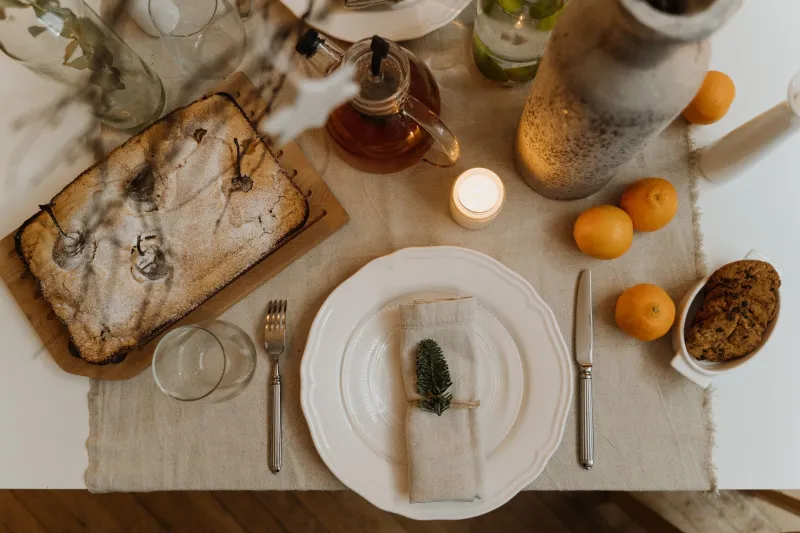
The Repeat Performance: Why the Most Confident Hosts Cook the Same Thing Again
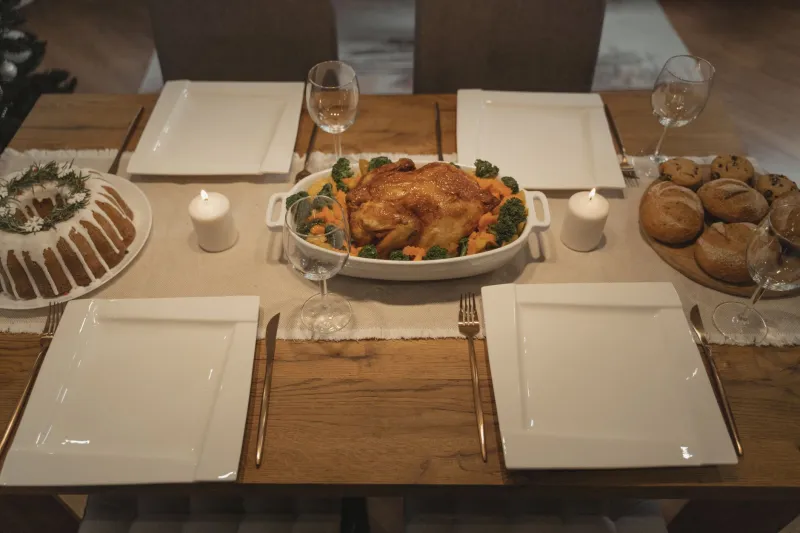
There is a moment, somewhere between the second glass of wine and the clearing of plates, when you realise you are in the company of a natural host. They are not sweating over a foam. They are not scrolling for a recipe while the onions catch. They are simply… fine. And the reason is usually the same: they have made this dish before. Many times. It is their house dish, their repeat performance, the one plate that says home without saying a word.
In an age of saved recipes and show-off cooking, that kind of repetition has begun to look less like laziness and more like a quiet luxury. The most confident hosts are not the ones with the widest repertoire. They are the ones who have stopped trying to prove something and started trying to feed people well.
The quiet luxury of knowing what you are doing
A signature dish is not a gimmick. It is a small ritual of competence. It tells your guests that you have thought about them in advance, that you have a plan, and that the plan does not depend on a last-minute trip to a specialist grocer. It is the domestic equivalent of a good coat: unflashy, reliable, and somehow more impressive because it does not announce itself.
For years, British dinner parties carried a faint whiff of one-upmanship. The borrowed sous-vide machine. The foraged herb nobody could identify. The pudding that required three timers and a prayer. But the pendulum is swinging. In 2026, with everyone busier and more distracted than ever, the most attractive thing you can offer a friend is not novelty. It is certainty. The knowledge that when they come to yours, they will eat something good, and you will actually be present while they do.
What makes a dish yours
The best house dishes share a few quiet qualities. They are forgiving. They scale up without drama. They can be prepped ahead, or at least not held together by a single fragile moment. They taste like a person rather than a Pinterest board. And they work in a British kitchen, which is to say they do not require a wood-fired oven or an ingredient that only exists in one deli in Soho.
That might be a lemon-and-thyme roast chicken with a sharp green salad and good bread. A slow-braised beef ragù that improves overnight and asks only for a pot of pasta. A smoked haddock gratin for the colder months, or a miso-and-ginger aubergine traybake that makes a virtue of a Tuesday. The specifics matter less than the fit. Your dish should be something you would happily eat on a ordinary Wednesday, not just something you would serve under pressure.
The test is simple: can you make it after a long day, while talking, without checking your phone every thirty seconds? If the answer is yes, you are close. If it requires silence and a thermometer, keep looking.
Hosting without the performance
When you cook the same dish again and again, something loosens. You stop performing and start hosting. You can light a candle without worrying about the sauce. You can sit down. You can ask a second question. The table becomes a conversation rather than a theatre production, and guests relax because you have.
This is the real gift of the signature dish. It gives you back your attention. No one remembers the third spice or the precise provenance of the lentils. They remember being looked after. They remember that you seemed glad to see them. They remember the ease of the evening, which is a much rarer pleasure than a clever plate.
The soft branding of a house dish
There is a reason the house dish has started to feel like a form of personal branding. In work, we are told to niche, to be known for one thing, to make it easy for people to recommend us. The same logic applies at the table. A signature dish gives people a shorthand. Oh, she does the chocolate tart. He always makes that chicken. It is memorable without being boastful, generous without being exhausting.
But the trick is to keep it soft. A house dish should not become a content treadmill, plated for photographs and stripped of its pleasure. The best ones are allowed to be imperfect. They are cooked on ordinary nights, not just occasions. They are sometimes eaten in front of the television. That is what makes them believable.
How to choose yours without overthinking it
Start with what you crave, not what looks impressive. Write down three dishes you would be happy to eat once a month. Pick the one that can be made ahead, doubled for extra guests, and served with a single good thing — a jar of mustard, a handful of parsley, a loaf from the bakery you actually like. Cook it four times in eight weeks. Make notes. Then stop fiddling with it.
The goal is not perfection. It is familiarity. The moment you can make it while telling a story is the moment it becomes yours.
Repetition has a reputation problem. We are told to keep things fresh, to surprise, to move on. But the repeat performance is not a lack of imagination. It is a decision to be good at something useful. In a country of endless recipe tabs and half-used spice jars, that is quietly radical. The dish you bring to the table again and again is not a shortcut. It is a welcome. And the people who are glad you did are the only review that matters.